Background:
Multi-day backpacking trips can lead to prolonged exposure to the elements including snow, rain, wind, temperature extremes, and sun exposure. The sun can pose a hazard through both heat (infrared radiation) as well as ultraviolet radiation (UV) exposure causing pathologies like sunburns and increasing risk of skin cancers (e.g., basal and squamous cell carcinoma, melanoma). The traditional focus of sun protection has been on blocking of UV-B and UV-A wavelengths, but more recent evidence shows that visible light also plays a role in melanocyte activation, pigment gene expression, and inflammatory conditions such as melasma. Another issue is that most people correlate sun exposure to the heat they feel on their skin. This can be misleading as up to 50% of UV light can still penetrate through clouds on an overcast day. Modern weather forecasting does provide an UV index; although most people do not consider it before recreating outside.
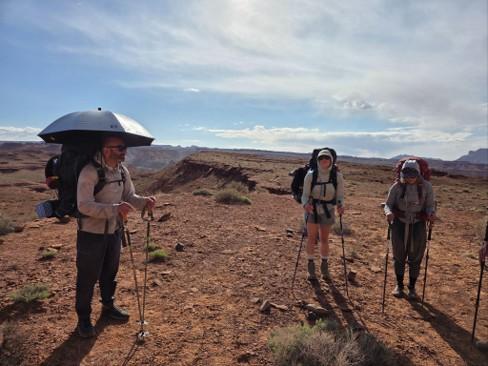
Figure 1: Shade and comfort provided by umbrella compared to fellow hikers. (photo by Matt Cauda)
In recent years there has been increased use of broad-spectrum sunscreens (covering both UV-A and UV-B) and long sleeve UPF (ultraviolet protective factor) clothing for increased sun protection. However, most outdoor enthusiasts often use temperature to decide clothing layers, not UV index, as wearing pants, long sleeves, hat, gloves, and buff can lead to overheating. A new emerging trend, backpack umbrellas, may be a new solution. Umbrellas- or parasols for the fancier crowd- of various types have been used since ancient times (evidence of early models exists as far back as 2500 BCE in Egypt) basically to create a shade (or umbra) to protect us from one of humanity’s earliest frenemies- the sun. Today’s advances in lightweight technologies have made umbrellas designed for backpacking long distances more practical, portable, and fashionable compared to traditional models. This report discusses the use of one such umbrella over four days in the San Rafael Swell of Utah as part of the BreckWild Wilderness Medicine Student Elective.
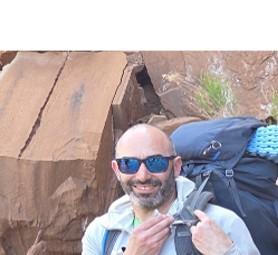
Figure 2: Backpack attachment strap to go hands-free. (photo by Matt Cauda)
Discussion:
During four days and 20 miles of hiking the Lightrek Hiking Umbrella (Gossamer Gear, Austin, TX) was tested for functionality, durability, ease-of-use, and style. On the functionality of the umbrella, it proved to be truly ultralight as it weighs only around 5 oz. In providing direct sun protection, it offers excellent shade with complete coverage while hiking allowing the user to use clothing to match ambient temperature management desired by the hiker (Figure 1). It also has clamp to secure it to a backpack allowing for hands-free use (Figure 2). Not only does the umbrella support sun protection but offers protection from precipitation. The umbrella is not limited to hiking as it can become an everyday umbrella or used in other outdoor activities such as flatwater kayaking or rafting. In addition, the umbrella potentially can be useful in a survival situation as it can be utilized to collect rain for water if hung upside-down and open. have suggested that the umbrella could be utilized to repel wildlife such as a bear or mountain lion; however, this author believes that is highly doubtful. It is more likely to repel potential dates (see Rule 1, below). Overall, the user of the umbrella was very satisfied with the sun protection afforded by the umbrella and always felt comfortable and cool with its use while in the harsh desert sun. He also felt it packed up well and the weight was a minimal addition to his pack, which overall gives the umbrella an 8/10 functionality score for sun protection and lightweight profile.
In the category of durability, the umbrella held up well during four days of hiking in the desert. There were no signs of “wear and tear” at the end of the trip, as well as no issues with the umbrella collapsing with the moderate winds that were experienced. However, it is difficult to assess long term durability as this was its first use. For a more robust critique of its durability, use of the umbrella over multiple trips and seasons would be required. This review would have to give the umbrella a 6/10 score for now with the understanding that long term durability could not be assessed at this time.
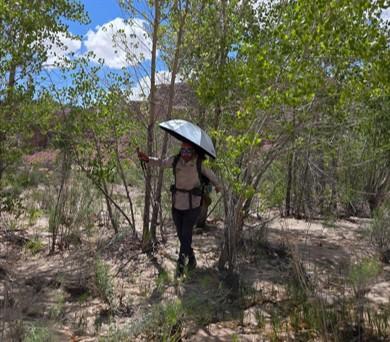
Figure 3: Difficulties moving through brush and trees. (photo by Matt Cauda)
When discussing ease of use, the umbrella opens without any problems. It’s an umbrella, which has been around forever, and everyone knows how to use one. However, when it comes to attaching the umbrella to a pack there were some difficulties. Often a second person was needed to attach it once opened and the umbrella cannot be opened and closed once attached. It took until day 4 to figure out how to attach the umbrella by its operator on his pack while open indicating some learning curve for efficient use. In addition, the size of the umbrella and some difficulty closing/opening quickly make it difficult to bushwack through vegetated terrain, limiting its use to more open terrain (Figure 3). Overall, the ease-of-use score for the umbrella is 5 /10.
Lastly, there is the discussion of style which is likely the most controversial aspect. To discuss this, a review of The Four Golden Rules of Backcountry Expeditions must be discussed.
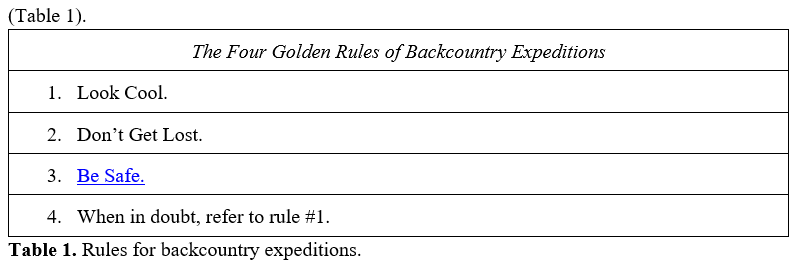
With the four rules well established, one must ask, does this hiker (Figure 4) violate rules #1 and #4? It can easily be argued that subjectively and objectively that it does break these rules. Using an umbrella never looks cool. It is endured in certain situations for protection from the elements whether walking through an urban downtown in the rain or sitting in the sun at the beach or on a cute date. However, The Four Golden Rules of Backcountry Expeditions do not apply to those situations. Many will advocate that the umbrella supports rule #3, However, it clearly fails both rules #1 and #4. With that in mind, the umbrella gets a score of zero because it is a violation of The Four Golden Rules of Backcountry Expeditions.
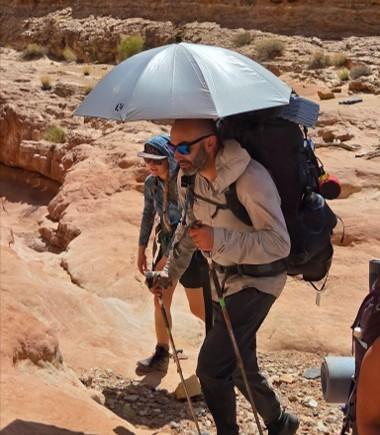
Figure 4: Look cool? (photo by Matt Cauda)
Conclusion:
After careful review of all the evidence, it is difficult to recommend use of the Lightrek Hiking Umbrella. Sun protection is extremely important in the outdoors as it is the #1 modifiable risk factor in skin cancer. The umbrella is very effective in keeping a hiker cool and protecting the individual from the sun, but there are other tried and true methods for “staying cool” and protecting yourself from the sun. Currently, this study only recommends using it at your own risk.
Disclosure statement: The product reviewed was purchased and the reviewer has no relationship with Gossamer Gear or the manufacture/sale of the product.